
A pickup purchase starts with a job: cargo, towing, passengers or a route that another vehicle may not serve as well. Define that job before comparing monthly payments. The particular configuration, insurance quote and expected use shape the recurring budget more usefully than the word “pickup” on its own.
Describe the actual configuration and load
Record the unit's cab, bed, engine, drivetrain and equipment. Use the manufacturer's information for that configuration and the vehicle's labels to understand its ratings. A capability advertised for a model range may refer to another configuration. Count occupants, cargo and equipment when evaluating the intended use rather than quoting one headline figure.
Do not use this budget guide to certify towing or payload suitability. Verify the vehicle, trailer and equipment requirements with the relevant manufacturer guidance. If the intended job depends on a particular rating, make that question part of the unit record before purchasing accessories or interpreting a financing quote.
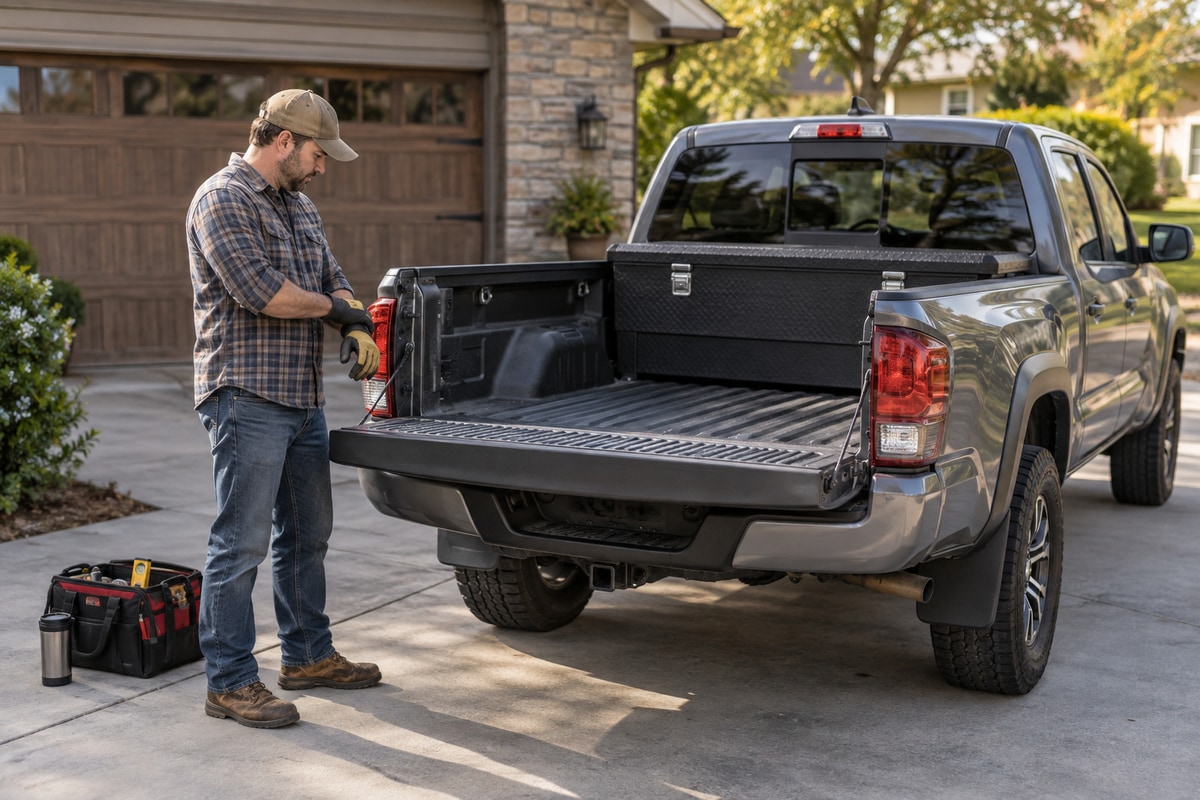
For an illustrative buyer carrying tools on weekdays and family passengers on weekends, the useful comparison may be two cab-and-bed configurations. The larger cab can change passenger fit while the bed and equipment change the work arrangement. Test those tasks directly, then price the unit that actually satisfies them.
Build fuel and insurance from the same use
Describe the miles, route and expected driving conditions. Use a consumption assumption you can identify for the configuration, and treat it as a planning scenario. Loads, towing and conditions can affect real use; a brochure figure is not a guarantee for the planned job.
Get an insurance quote describing the actual vehicle and intended use. Ask the insurer how work-related use or equipment affects the coverage it proposes. Compare equivalent coverages and deductibles rather than selecting the smaller premium without knowing what changed. Keep the quotation date and payment frequency.
An invented monthly plan includes a $520 payment, $170 normalized insurance, $220 fuel, $40 parking and a chosen $100 maintenance reserve. Its $1,050 total is $530 above the loan payment. Each line is illustrative. The example shows where a work-use decision enters the budget without assigning a typical pickup cost.
Separate equipment from routine expenses
Price accessories, hitch equipment or storage separately and identify when they are paid. If an item is financed in the purchase, its cost already affects the loan payment. If bought separately, it belongs in the upfront plan or its actual payment schedule. Do not count the same item in both places.
A hypothetical $900 equipment purchase paid at delivery is different from a recurring $30 monthly parking expense. Both matter, but dividing the equipment price into an arbitrary monthly figure can hide the real cash date. Use the one-time line and retain the bill in the purchase calendar.
Maintenance planning should follow the unit's manual, records and intended conditions. Obtain estimates for known work instead of assuming the chosen reserve prices it. A used pickup's tires or service due shortly after purchase may need a separate quotation and decision.
Compare another body type with the same job visible
When a SUV or sedan is an alternative, preserve the route and passenger task. Change the unit-specific payment, premium and energy inputs. If an alternative cannot carry the required load, its smaller budget does not resolve the original job. If it does meet the task, compare the costs on that equivalent basis.
Use the SUV monthly guide for passenger-focused comparison, and the body-type fit guide for broader practical fit. For a used unit, retain an inspection record alongside the configuration and quote.
The CFPB auto-loan resources explain the financing comparison. Your pickup budget is useful when every recurring line describes the configuration and use you actually intend, with equipment and unknown costs separately visible.