
Buying a used car takes more than choosing a monthly payment. Start with the specific vehicle: its identity, condition, service records and written sale terms. Build your own checklist before visiting a dealer so the conversation follows the questions you need answered.
Read the paperwork before comparing the price
The FTC explains the Buyers Guide used by dealers, including warranty information and whether a car is sold as is. Read it alongside the purchase documents and ask about differences. The FTC also recommends an independent inspection; a history report is not a substitute for checking the car itself.
Keep separate notes for the advertised vehicle, the car you inspected and the terms offered. Record the VIN, mileage, trim and options from the actual vehicle. If the quote changes because of a different car or added products, identify that change before comparing totals.
Make the inspection answer practical questions
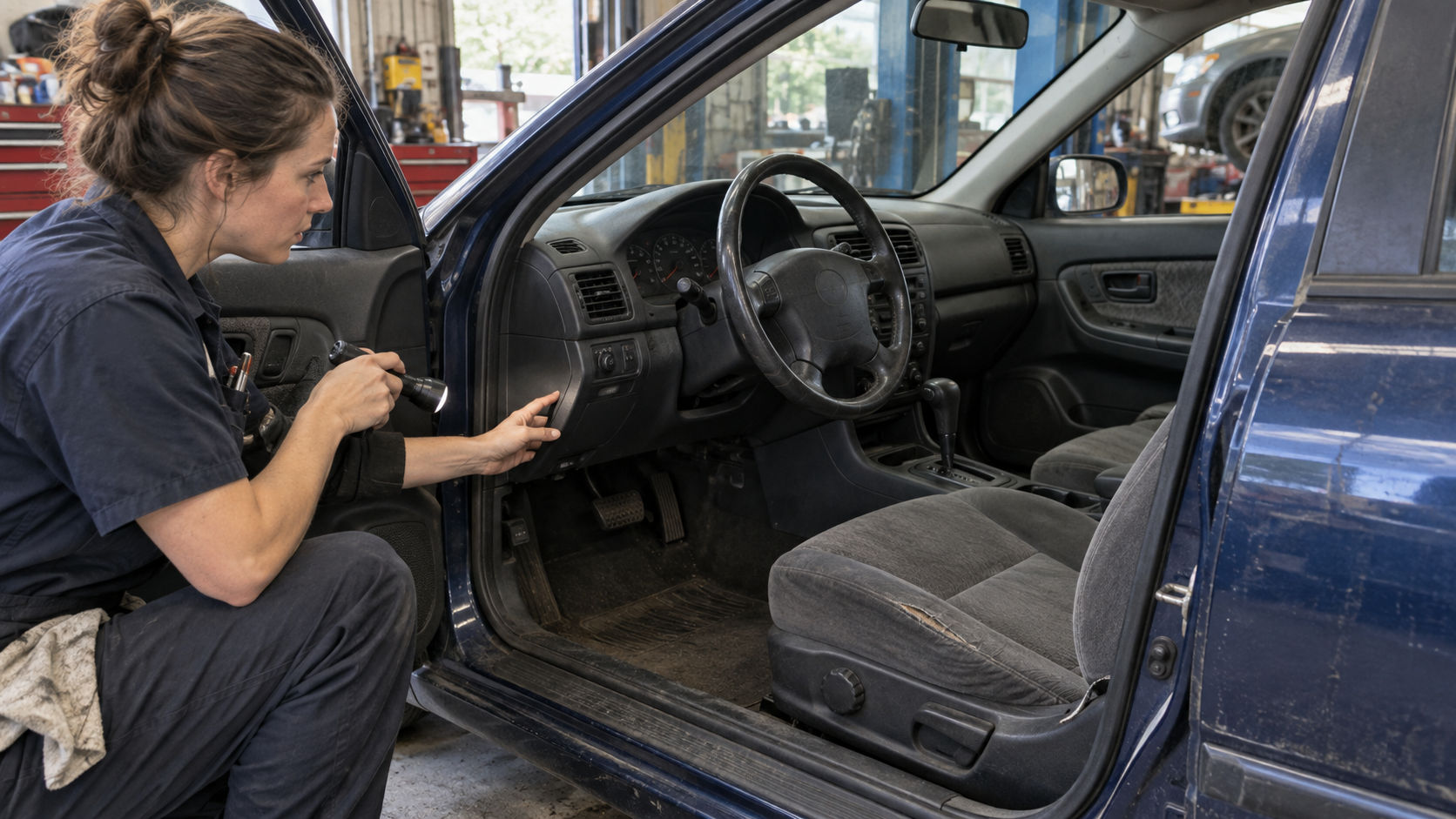
Ask an independent mechanic for findings and an estimate of work that may be needed. Organize the response into immediate issues, upcoming maintenance and points that need further diagnosis. An inspection reduces uncertainty, but it is not a promise that no future repair will be needed.
Use your test drive to note questions rather than to diagnose faults yourself. Record warning lights, unusual noises or features you could not check, and bring those observations to the inspector. Leave room in your budget for the findings instead of treating the purchase price as the final expense.
Check recalls for this vehicle
NHTSA provides a recall lookup by VIN or license plate. Check the actual car and review the result and any stated limitations. If an unrepaired recall appears, ask the manufacturer or an authorized dealer about the next step before completing your decision.
Save the date and result of your check with your purchase notes. Recall status is one piece of the review; it does not establish ownership, mechanical condition or the complete history of the vehicle.
Compare the whole purchase
Combine the written transaction price, inspection findings, expected maintenance and ownership costs. If you plan to finance, compare APR and total payments using the same car and down payment. Keep the condition review separate from the loan comparison so an attractive payment does not replace an answer about the vehicle.
Before deciding, confirm which promises are written into the sale terms. Weq viral provides editorial guidance and does not inspect, certify or sell the car.