
Recall information deserves its own check when buying a used car. Use the vehicle's actual VIN and official channels, and keep the result separate from a mechanical inspection or history report.
Confirm the vehicle identifier
Compare the VIN on the car and documents before submitting a lookup. If characters disagree, resolve that first rather than repeatedly trying versions until one returns a reassuring result.
Keep the lookup date and the vehicle identity together. A model-wide article about a recall does not tell you the current status of the particular unit you plan to buy.
NHTSA provides a VIN recall lookup and information about its scope. Read the tool's explanation rather than assuming its result covers every service campaign or every historical repair.
Where a question remains, contact the manufacturer or authorized dealer with the VIN. This article does not run a lookup for you or declare a specific car recall-free.
Record the lookup and follow the recall through to completion
Use the VIN from the actual vehicle, then match it with the paperwork. Save the lookup date and any open-recall details you find. A model-level result and a VIN-specific result have different purposes; do not assume an announcement applies to this car without checking the relevant identification and manufacturer information.
For an open issue, ask the manufacturer or authorized service point about the available remedy, appointment process and any interim guidance. Keep completion evidence with the service records. The NHTSA lookup has limitations, including repaired recalls and some recently announced cases, so an empty result is not a complete service history. Continue evaluating condition and documentation separately.
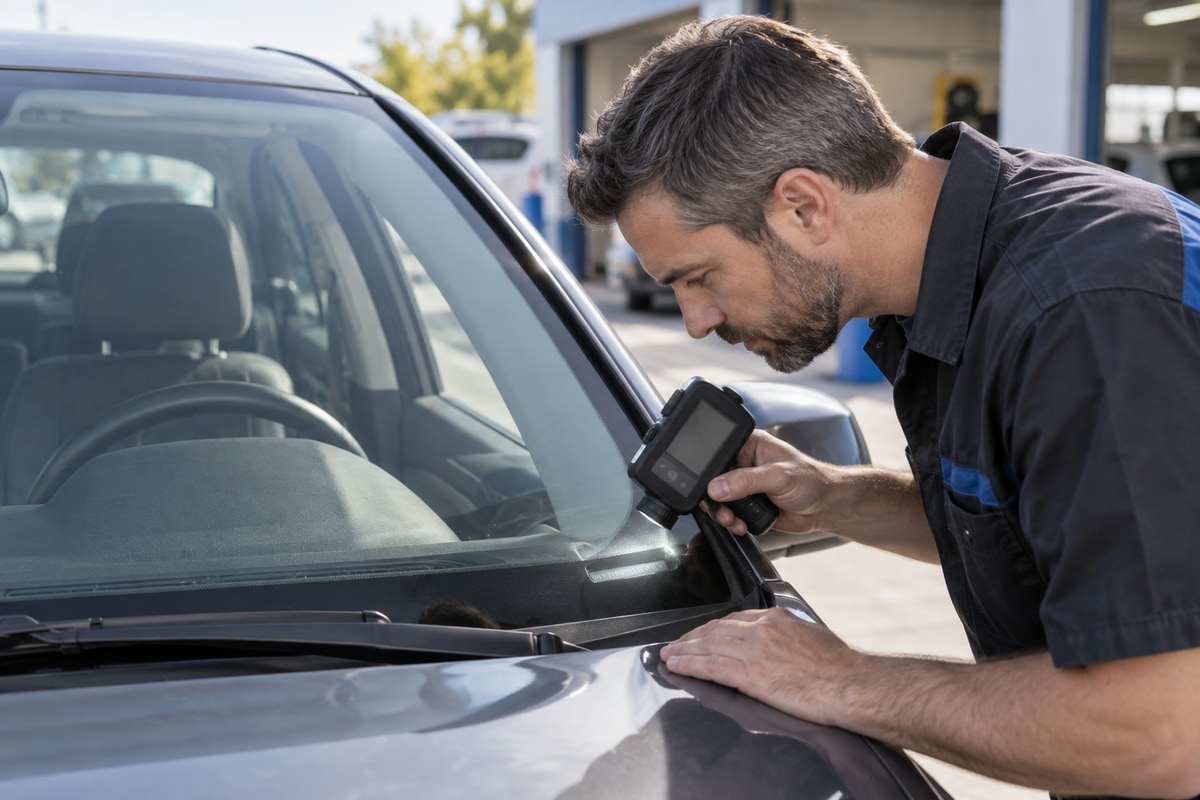
Record the official result for the same VIN
Copy the VIN from the actual unit and compare it with the seller's documents before using the official recall lookup linked in this guide. Save the lookup date and the result's wording. If it identifies an open recall, ask the manufacturer or its authorized channel about the applicable remedy and arrangements for that vehicle. A general model search does not replace the unit-specific lookup.
Place the result beside the inspection and seller record. A recall check covers its stated database scope; it is not a mechanical inspection or a complete history report. If the seller says work is complete while the lookup raises a question, request the relevant completion evidence and clarification rather than deciding from a single screen.
Ask how any finding will be handled
If the lookup identifies an issue, ask the appropriate provider about the remedy and scheduling for that vehicle. Record the answer and any service reference.
Do not regard an appointment request as a completed repair. Keep the purchase timing decision separate from a seller's general promise that everything will be handled later.
Retain the result and any completion record with your inspection and transaction documents. An open-recall check is a distinct task; it does not assess tire wear, accident repair quality or ownership entitlement.
If the sale is delayed, decide whether a fresh lookup is needed before completing it. Use current official information for action rather than an undated screenshot.
A recall statement needs a date and a record
A seller may say a recall was completed years ago. Ask for available completion evidence and compare it with the current manufacturer information. If the lookup shows an open item, investigate the discrepancy before treating the matter as closed. If the sale happens later, repeat the current check as part of your closing preparation. Do not invent a repair schedule or assume an appointment means the work has already happened.
At a glance: what to check
| Decision point | Practical check |
|---|---|
| Confirm the vehicle identifier | Compare the VIN on the car and documents before submitting a lookup. |
| Use the NHTSA and manufacturer channels | NHTSA provides a VIN recall lookup and information about its scope. |
| Ask how any finding will be handled | If the lookup identifies an issue, ask the appropriate provider about the remedy and scheduling for that vehicle. |
| Save evidence alongside other checks | Retain the result and any completion record with your inspection and transaction documents. |
Summary of the checks explained in this article. Keep the document, quote or professional finding beside each item; an estimate is not a completed check.
Questions to resolve before the next step
Does zero unrepaired recalls mean the car has no problems?
It is a limited lookup result. It does not certify condition or replace inspection and service records.
Is a scheduled recall visit the same as a completed repair?
No. Ask for confirmation of what was actually completed and retain the relevant service evidence.
For the relevant official guidance, consult NHTSA: recall lookup and its limits and FTC: buying a used car from a dealer. Use each resource for its stated scope; the actual vehicle documents, written quote and applicable jurisdiction still determine the details of your case.